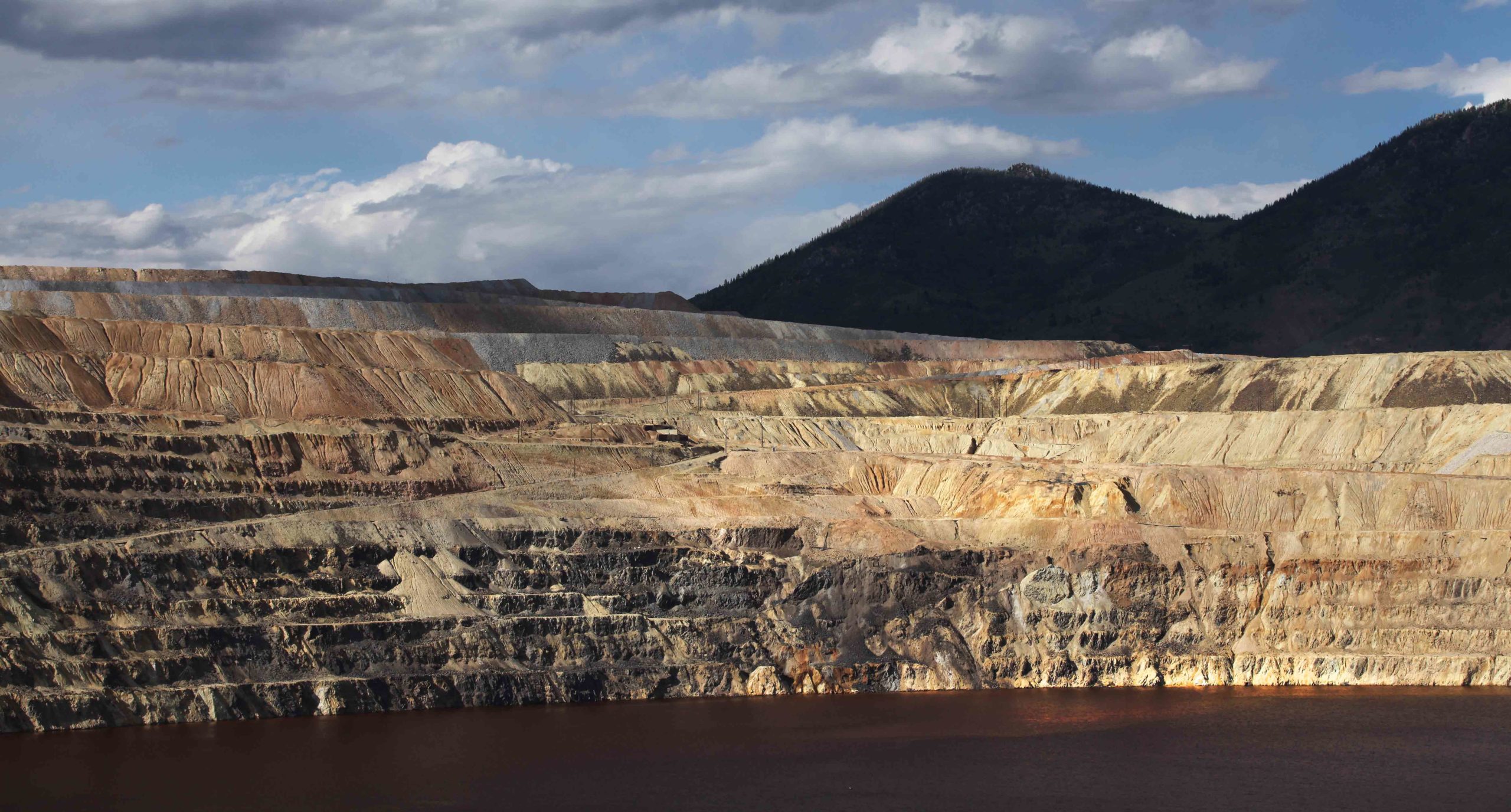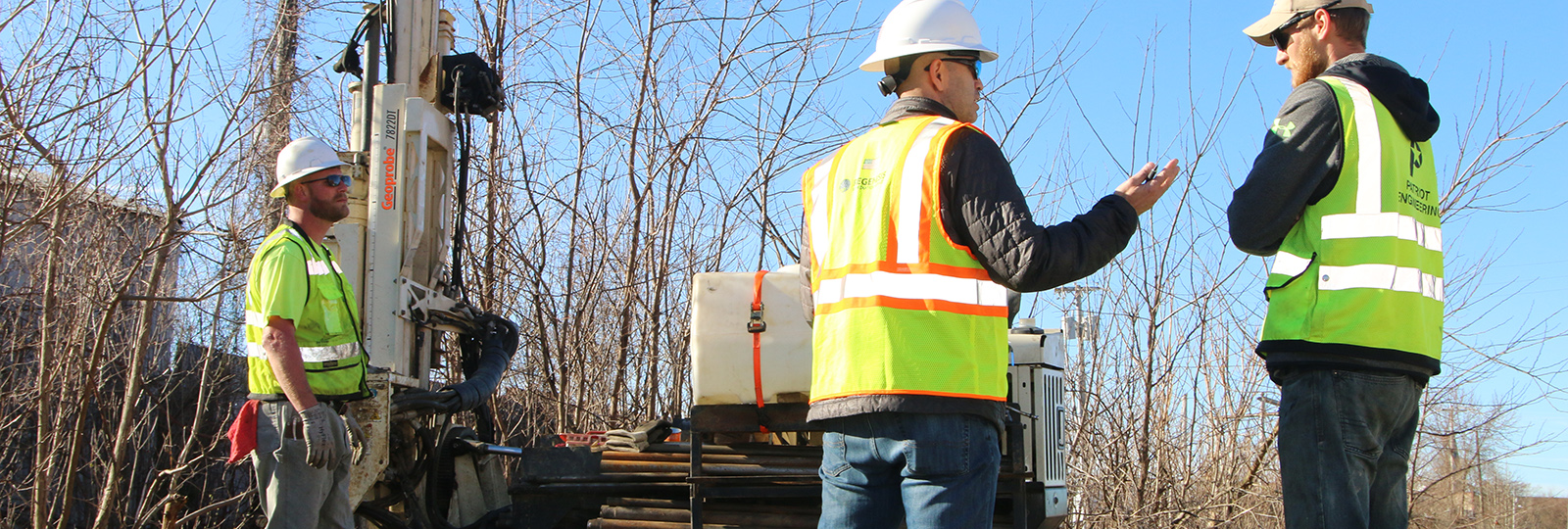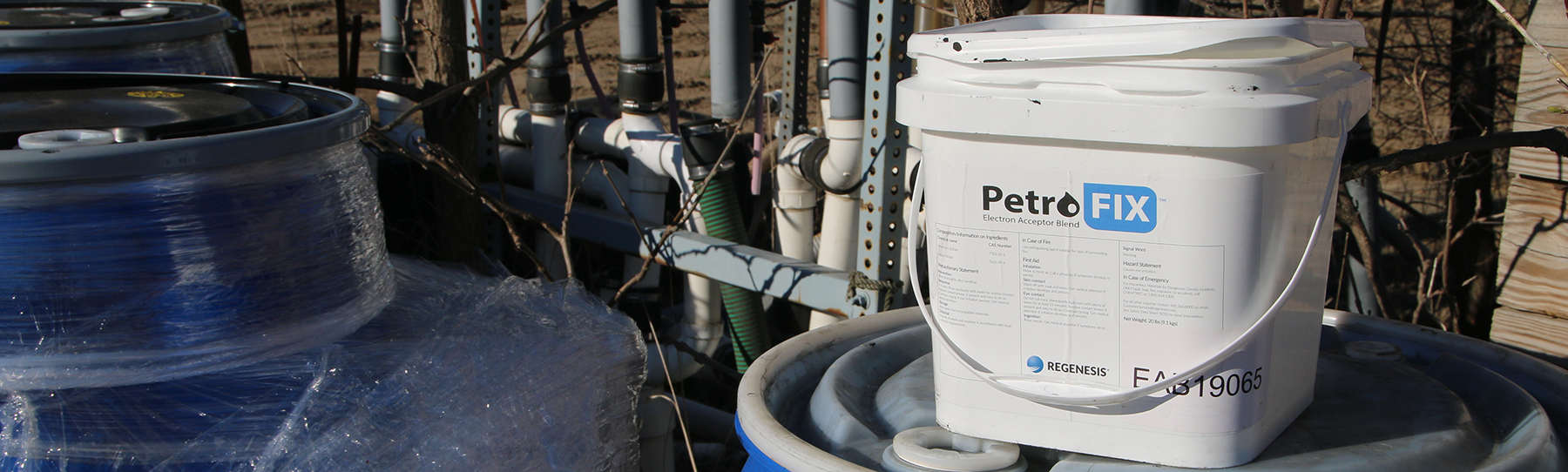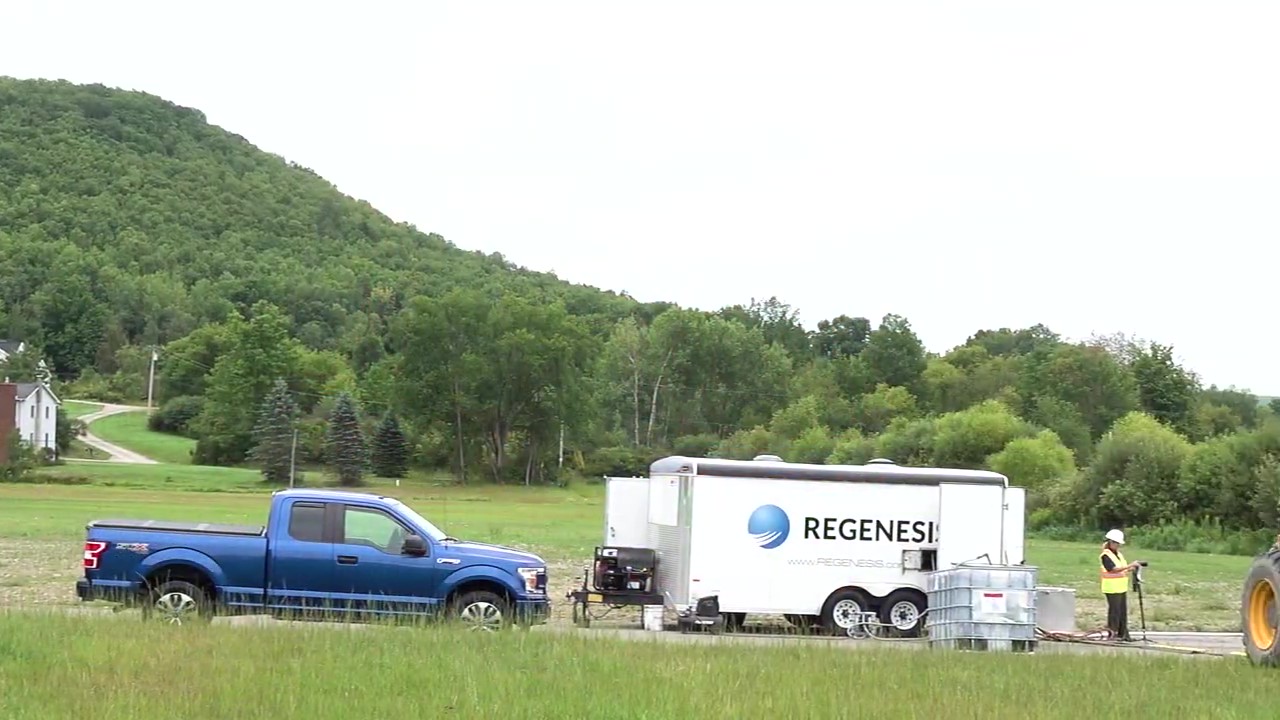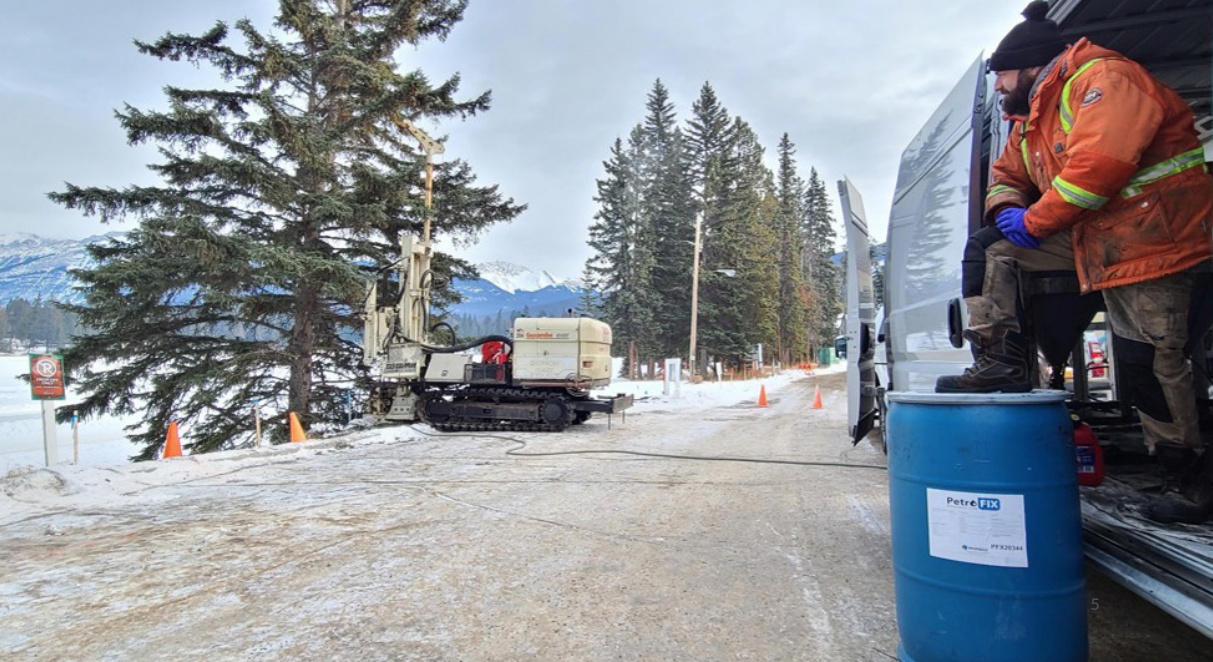
In-situ remediation within bedrock: An exploration of the challenges and solutions using case studies in various geological settings

  • Post author:
  • Post published:
  • Post category:

In situ remediation of organic contaminants can become much more challenging when treatment is required within bedrock aquifers. The added challenges include: Contaminant distribution within fracture networks and the rock matrix…

Continue ReadingIn-situ remediation within bedrock: An exploration of the challenges and solutions using case studies in various geological settings

Groundwater and contaminant mass flux: A modern view and approach to measuring, reporting and designing with mass flux data

  • Post author:
  • Post published:
  • Post category:

In this webinar we were pleased to have a special presentation from Paul Erickson, PhD, Director of Research & Development at REGENESIS, and Craig Sandefur, Vice President of Remedial Applications…

Continue ReadingGroundwater and contaminant mass flux: A modern view and approach to measuring, reporting and designing with mass flux data

REGENESIS technical perspectives series Part 1 – PlumeStop® colloidal activated carbon and modelling

  • Post author:
  • Post published:
  • Post category:

REGENESIS invites you to a limited educational webinar series, REGENESIS Technical Perspectives, presented by Dr. Jeremy Birnstingl, a leading environmental expert, on the application of advanced modelling for in situ groundwater treatment…

Continue ReadingREGENESIS technical perspectives series Part 1 – PlumeStop® colloidal activated carbon and modelling

REGENESIS technical perspectives series Part 2 – Using modelling to explore hidden processes

  • Post author:
  • Post published:
  • Post category:

REGENESIS invites you to a limited educational webinar series, REGENESIS Technical Perspectives, presented by Dr. Jeremy Birnstingl, a leading environmental expert, on the application of advanced modelling for in situ groundwater treatment…

Continue ReadingREGENESIS technical perspectives series Part 2 – Using modelling to explore hidden processes