Chlorinated Solvent Remediation Solutions for Soil & Groundwater
Your Guide to Chlorinated Solvent Remediation
40K+
Sites Treated Globally
8+
Core Technologies
"Why are chlorinated solvent sites difficult to close?"
Chlorinated solvent sites are among the most challenging environmental cleanups because contamination often persists long after the original release. Compounds such as PCE, TCE, DCE, and vinyl chloride can remain trapped in source areas, low-permeability soils, fractured rock, and back-diffusion zones, where they continue to slowly migrate into groundwater over time. Successful remediation requires more than simply reducing dissolved groundwater concentrations. Long-term success depends on understanding where contaminant mass is located, how it is moving through the subsurface, whether natural degradation is occurring, and which treatment mechanisms are needed to meet the site’s remedial objectives. For many sites, the most effective approach combines multiple in situ technologies—including enhanced reductive dechlorination (ERD), in situ chemical reduction (ISCR), bioaugmentation, chemical oxidation (ISCO), and colloidal activated carbon—to address source areas, dissolved plumes, vapor intrusion pathways, and rebound potential while supporting regulatory closure.

"How do PCE and TCE move through groundwater?"
PCE and TCE move through the subsurface differently than many other groundwater contaminants. As dense chlorinated solvents, they can migrate downward through the soil, accumulate in low-permeability layers, and continue releasing dissolved contamination into groundwater long after the original spill.
As groundwater flows, dissolved chlorinated solvents may form plumes that extend hundreds or even thousands of feet from the source area. During natural biodegradation, compounds such as PCE and TCE are transformed into daughter products including DCE and vinyl chloride, which often require continued treatment to achieve complete remediation.
Understanding how chlorinated solvents move through soil and groundwater is critical to selecting the right remediation strategy. Effective remedies target both the contaminant source and the dissolved plume while addressing long-term challenges such as matrix diffusion, rebound, and vapor intrusion.
Integrated In Situ Remedies vs. Traditional Remediation
Phased Remediation of PCE at an Active Manufacturing Facility in Sweden
In Situ Remediation of TCE, DCE and VC at an Active Manufacturing Facility in Switzerland
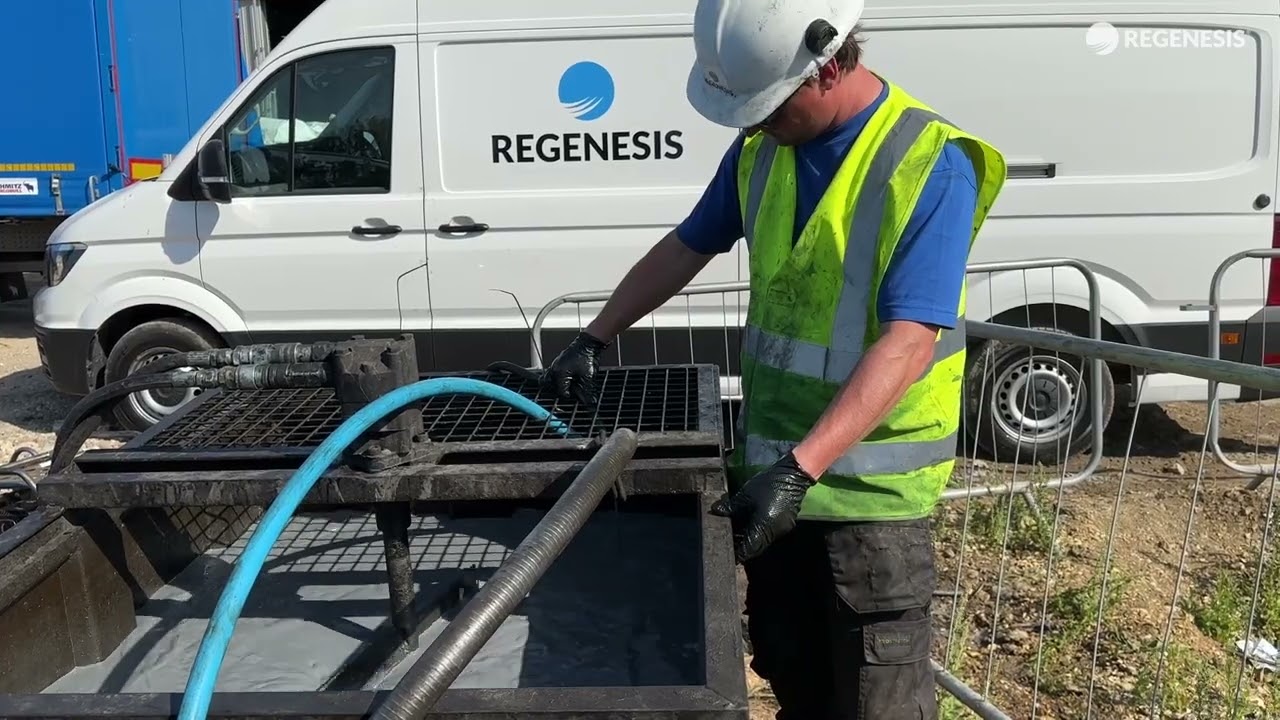
An introduction to AquiFix, for the treatment of chlorinated solvents
In Situ Remediation of a 1km PCE Plume in Finland
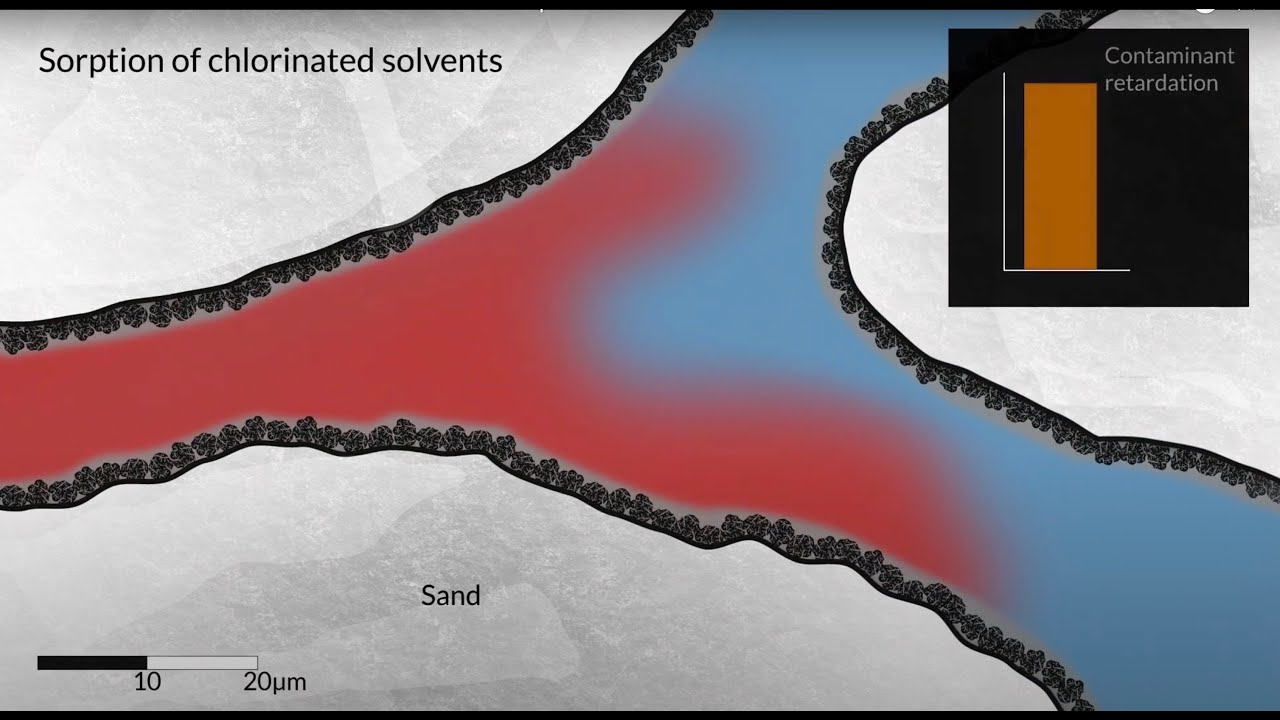
Remediation of Chlorinated Solvents with PlumeStop®
Treatment of 2-PCl in groundwater in Ireland
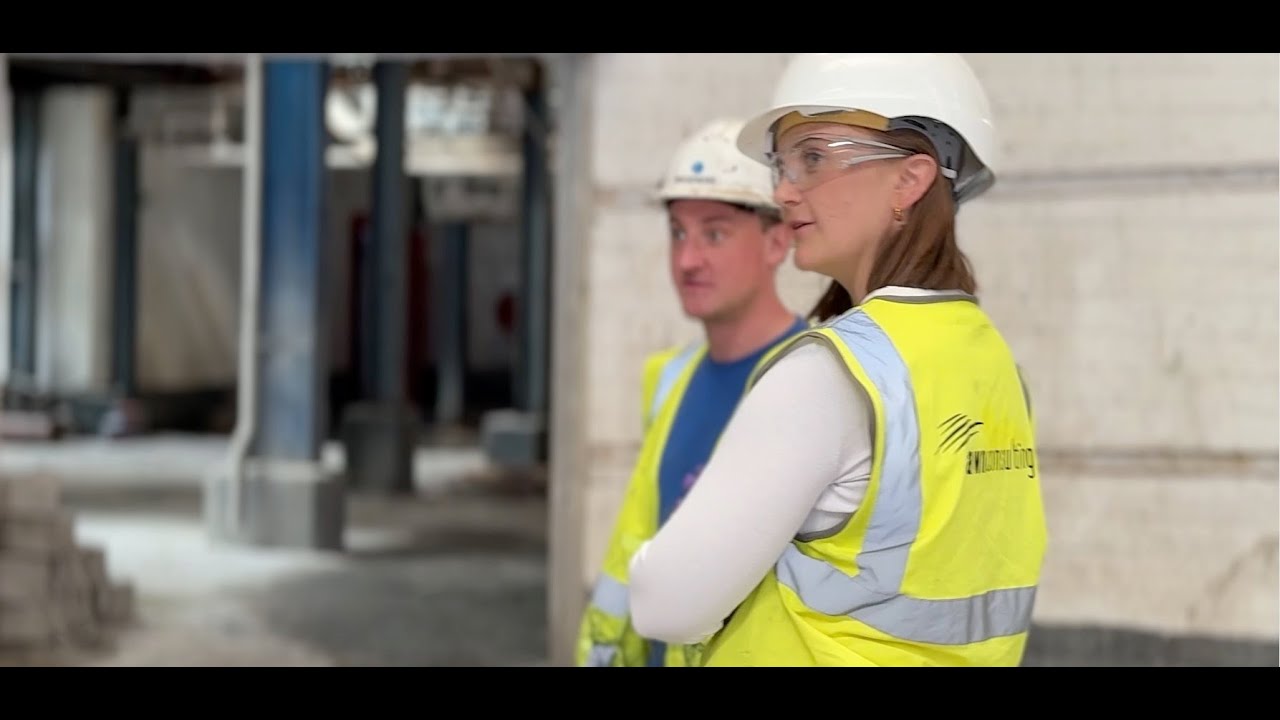
In Situ Remediation of TCE at a Construction Site in England
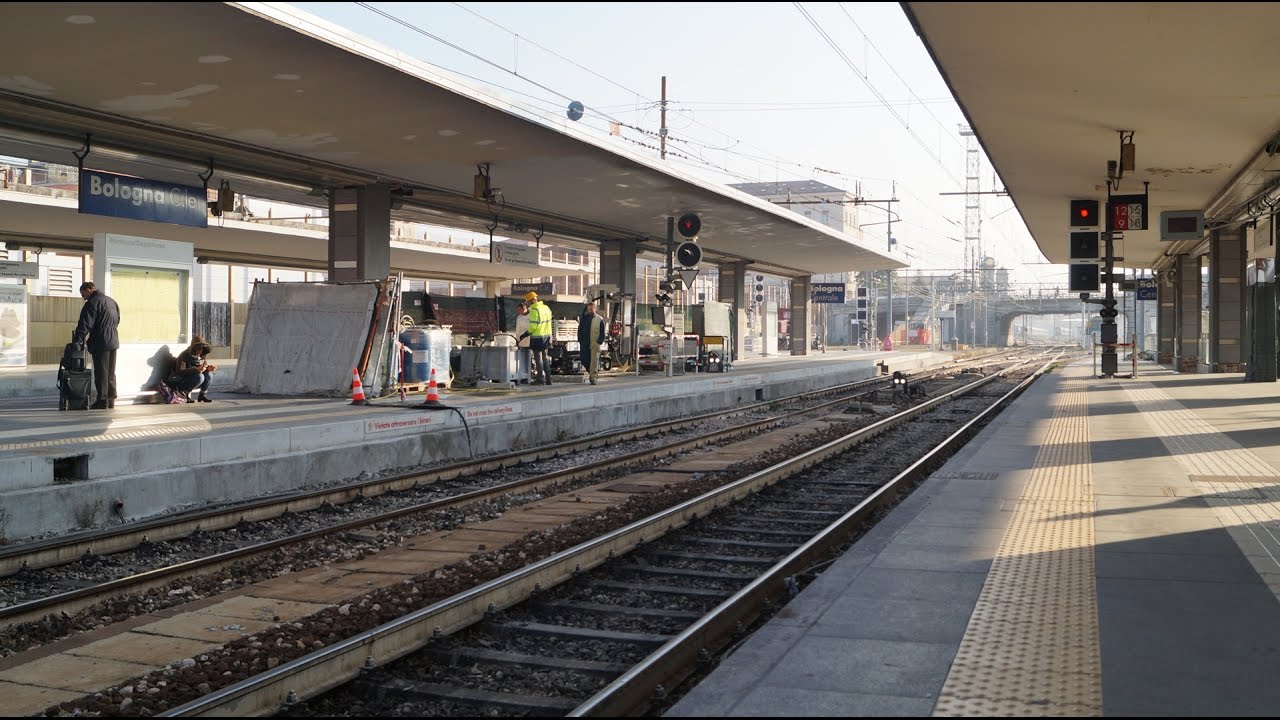
Remediation at Bologna train station
In Situ Remediation of TCE at at Construction Site
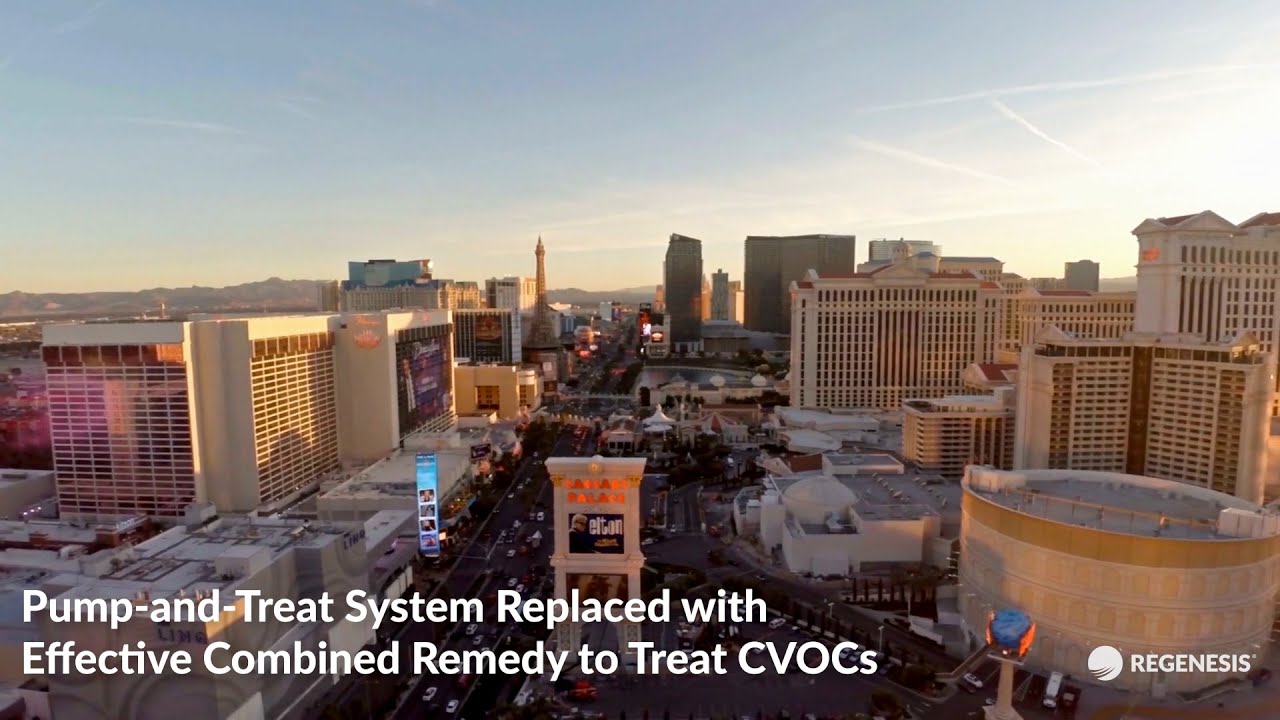
Pump-and-Treat System Replaced with Effective Combined Remedy to Treat CVOCs
High levels of TCE Remediated at Historic Chemical Works
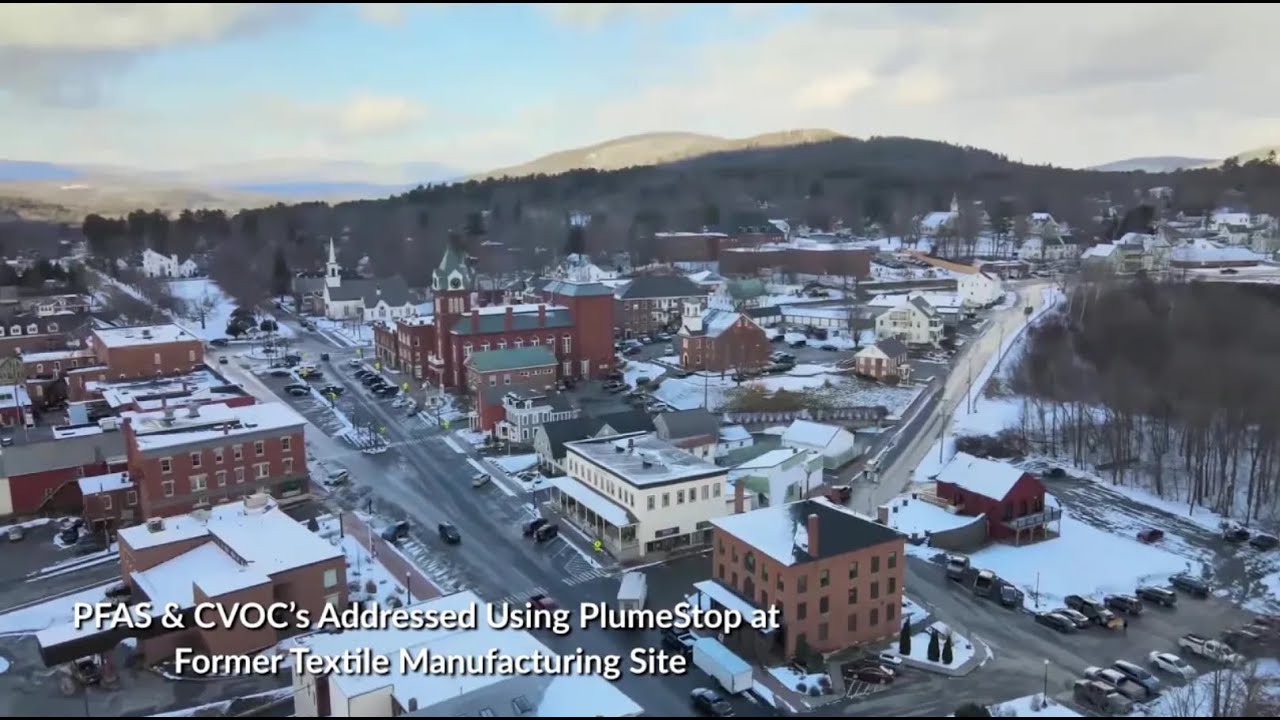
PFAS and CVOC's Successfully Treated Using PlumeStop at Former Textile Manufacturing Site
PlumeStop Cost-Effectively Treats CVOCs at Secure Government Facility
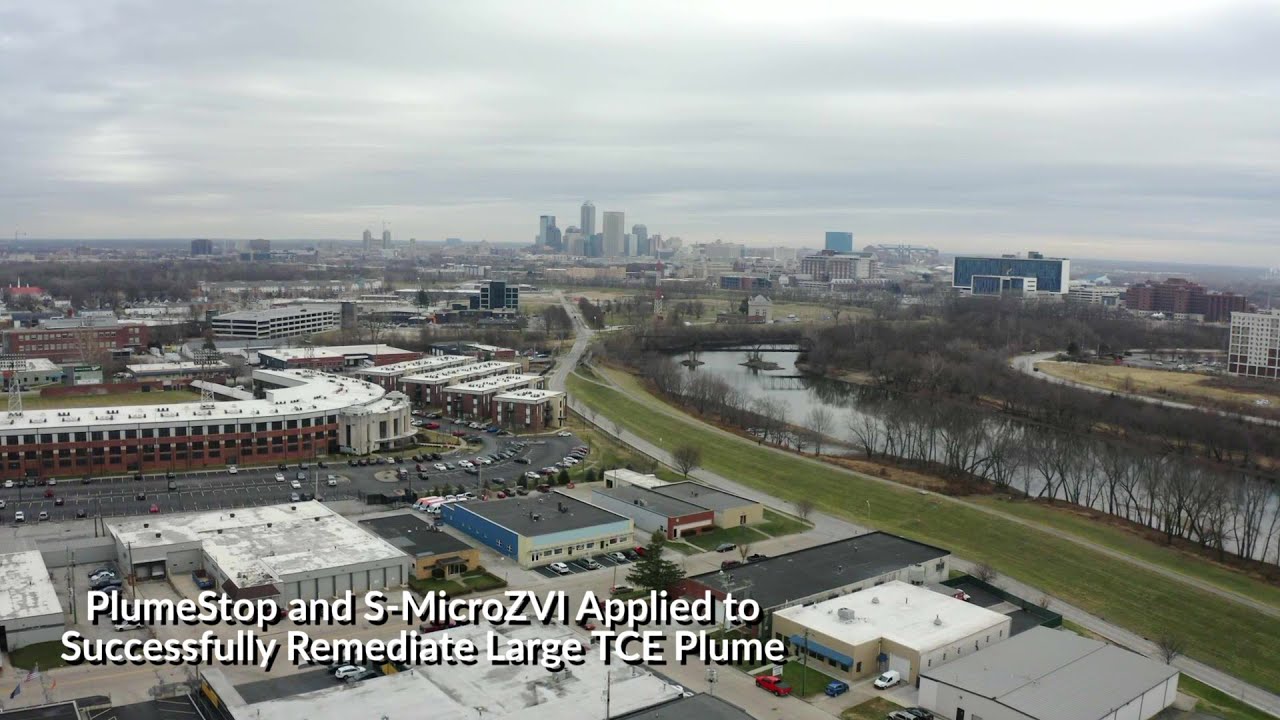
PlumeStop and S-MicroZVI Applied to Successfully Remediate Large TCE Plume
Large Plume Cost-Effectively Remediated at Former Cannery Site
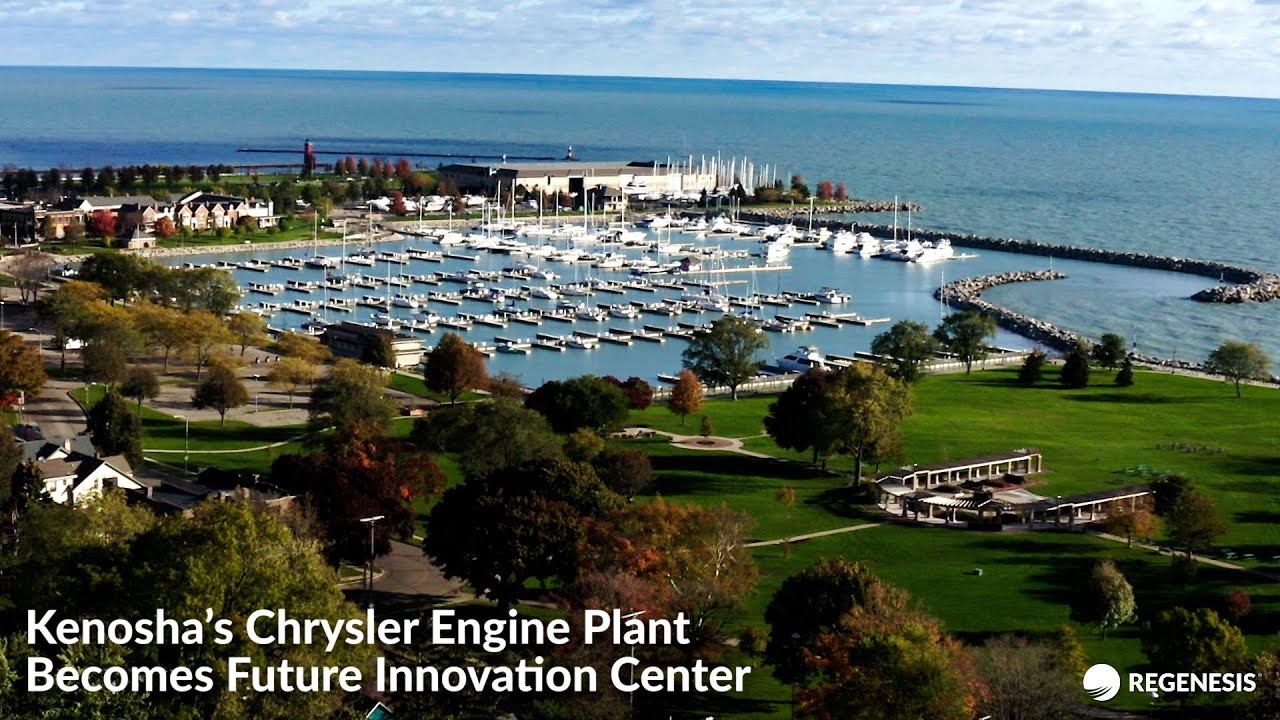
Kenosha's Chrysler Engine Plant Becomes Future Innovation Center
Remediation of mixed Cr(VI) and TCE contamination at active trading estate
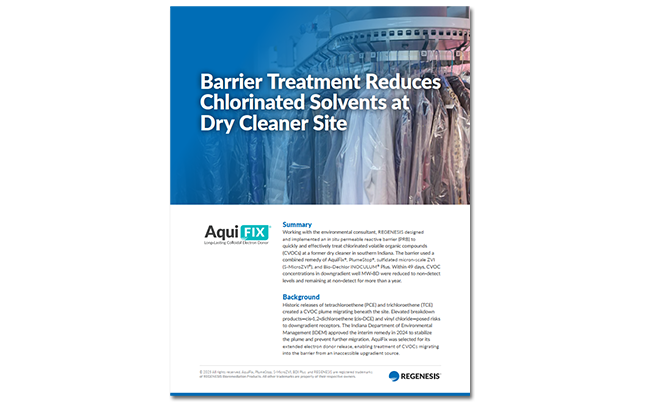
Barrier treatment reduces chlorinated solvents at dry cleaner site
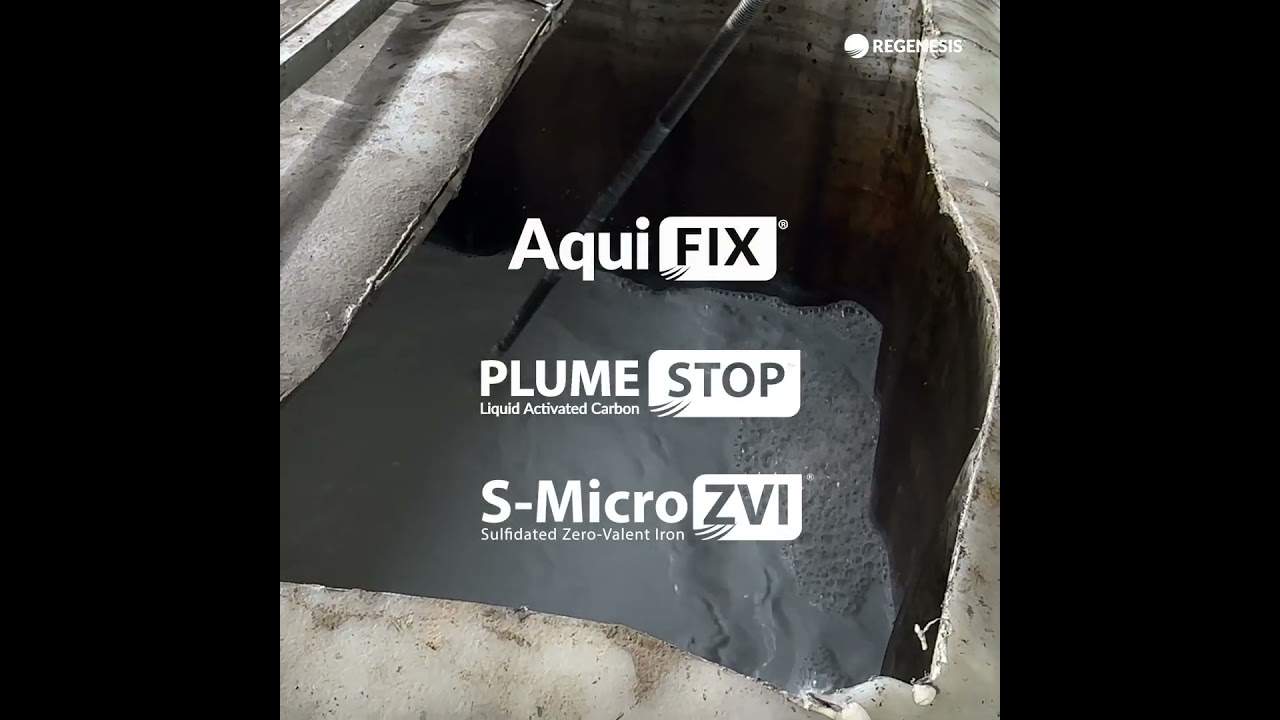
REGENESIS designed and implemented an in situ permeable reactive barrier (PRB) to effectively treat chlorinated volatile organic compounds (CVOCs) at a former dry cleaner. The barrier used a combined remedy of AquiFix®, PlumeStop®, sulfidated micron-scale ZVI (S-MicroZVI®), and Bio-Dechlor INOCULUM® Plus.
Contaminants treated
Chlorinated ethenes: perchloroethene (PCE), trichloroethene (TCE), dichloroethene (DCE), vinyl chloride (VC). Chlorinated ethanes: trichloroethane (TCA), dichloroethane (DCA) – and many more. For a full overview please see our Range of Treatable Contaminants.
Application methods
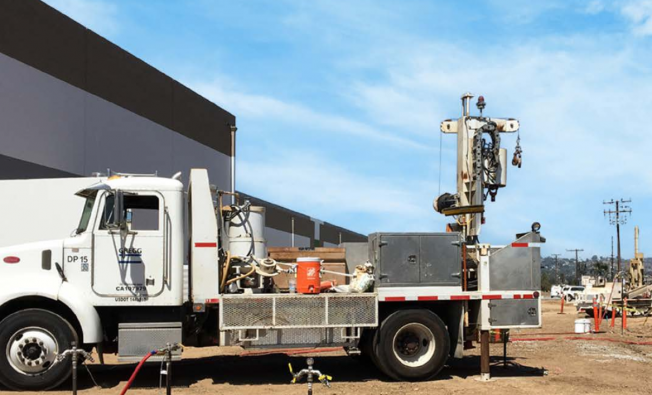
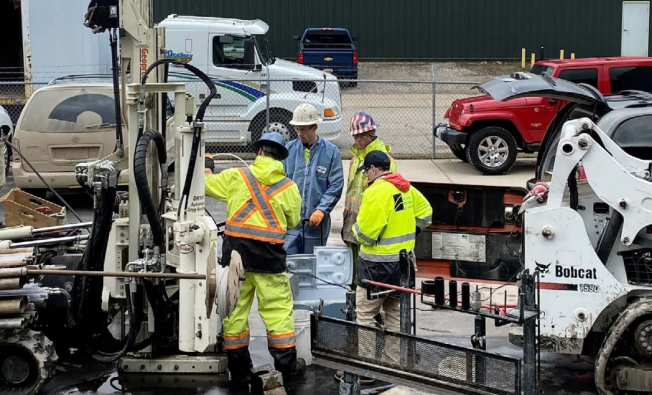
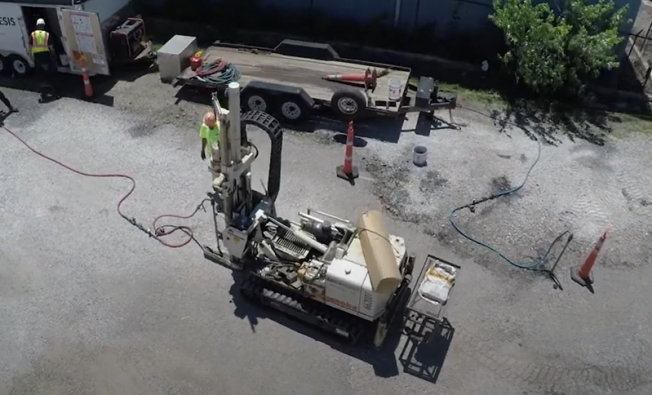
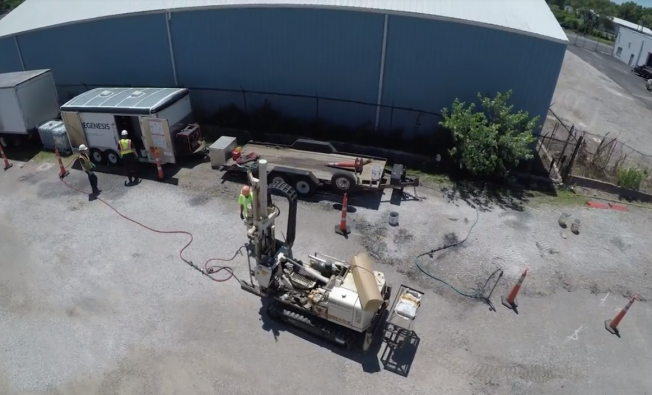
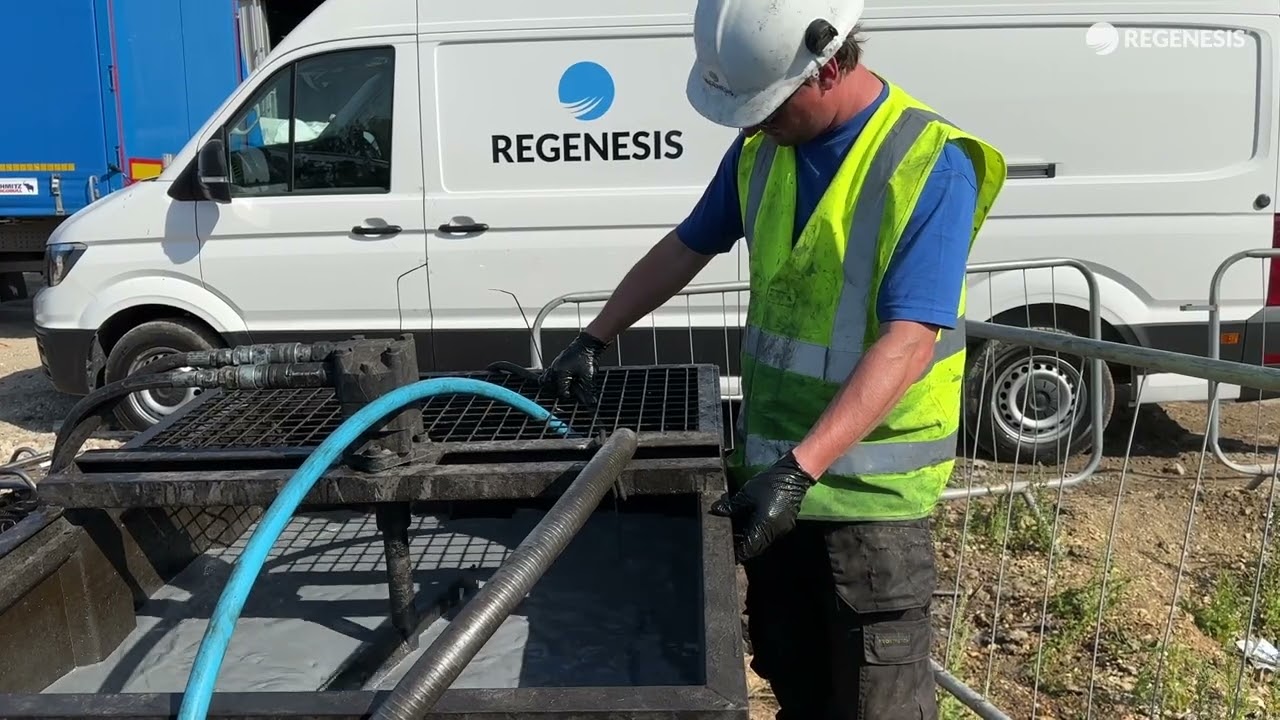
Injected under low pressure using direct push technology or via injection wells. Substrates may also be applied directly into excavations. Safe and easy to use in- and outdoors.
Advantages
In situ remediation is sustainable cost-effective and rapidly applied. Once injected, the remediation may be simply observed through groundwater sampling with no ongoing maintenance activities, operational cost or energy use.

Our technologies for In situ remediation approaches
Chlorinated solvent treatment barriers – Simultaneous remediation processes provided in a single treatment zone by combining our latest colloidal technologies, offering the most effective chlorinated solvent treatment available today.