Petroleum Hydrocarbon Remediation Solutions for Soil & Groundwater

In situ remediation for gasoline, diesel, fuel oil, BTEX, MTBE, TPH, PAHs, manufactured gas plant impacts, and other petroleum hydrocarbons.

Your Guide to Petroleum Hydrocarbon Remediation

Award-winning
treatment solutions

40K+

Sites Treated Globally

BTEX • MTBE • TPH • PAHs

Core Technologies

Source to Plume

Treatment for Soil & Groundwater

Closure Focused

Supporting Regulatory Closure

Why are petroleum hydrocarbon sites difficult to remediate?

Petroleum hydrocarbon sites are often more complex than they appear. Releases from gasoline, diesel, fuel oil, lubricants, and other petroleum products can leave residual mass in soil, smear zones, capillary-fringe materials, and groundwater.

Even after tank removal and excavation, remaining source mass can continue to leach BTEX, MTBE, TPH, PAHs, and related contaminants into soil and groundwater.

Closure often depends on identifying the source mass and higher-flux intervals that continue to sustain the plume, then applying treatment where it will have the greatest effect—especially at active sites, redevelopment properties, or projects with tight budgets and regulatory deadlines.

What petroleum hydrocarbon remediation options are available?

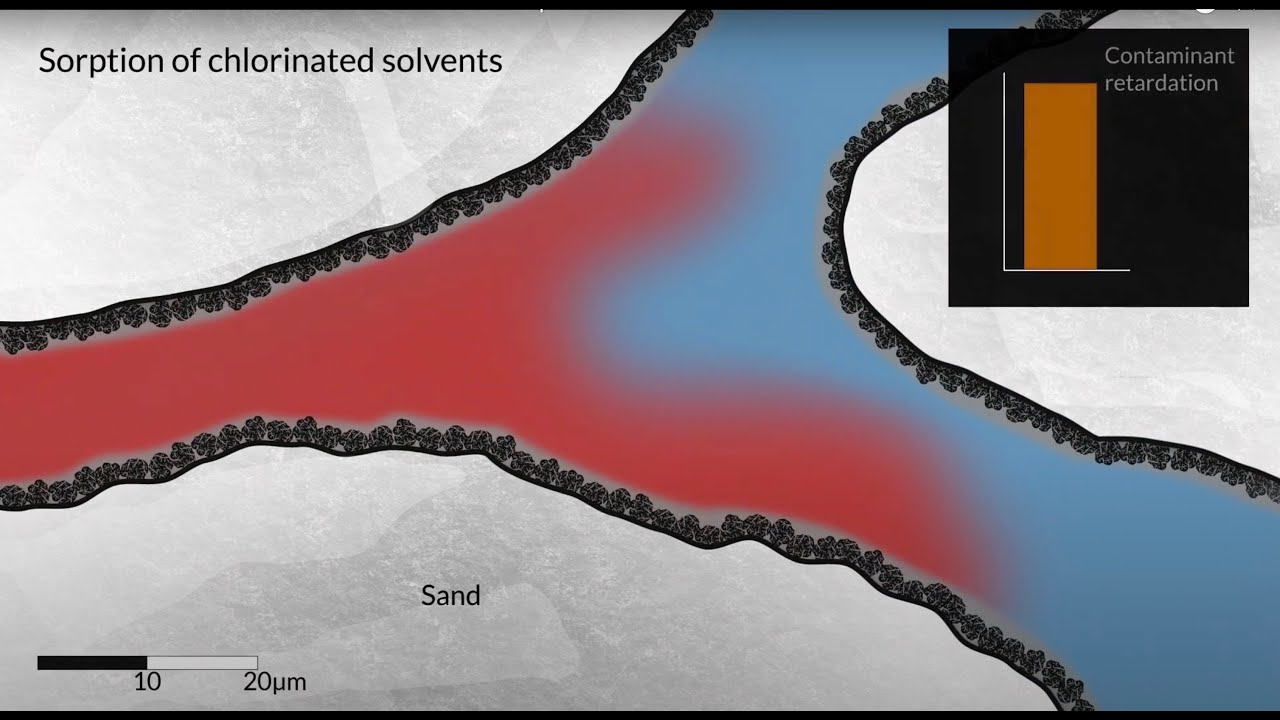
In situ petroleum hydrocarbon remediation options include sorption-enhanced biodegradation using colloidal activated carbon, enhanced aerobic bioremediation, in situ chemical oxidation, source-area soil treatment, permeable reactive barriers, and integrated remedies.

The right remedy depends on what is driving the site, including remaining source mass, dissolved groundwater impacts, plume migration, oxygen demand, rebound, access limitations, budget, redevelopment requirements, and closure goals.

These technologies can be applied to groundwater, soil source areas, excavations, backfill materials, and migration pathways to reduce source mass, lower groundwater concentrations, control plume migration, enhance biodegradation, and support regulatory closure. 

Integrated In Situ Remedies vs. Traditional Remediation

Discover how a PetroFix barrier helped protect Flathead Lake from a migrating benzene Plume

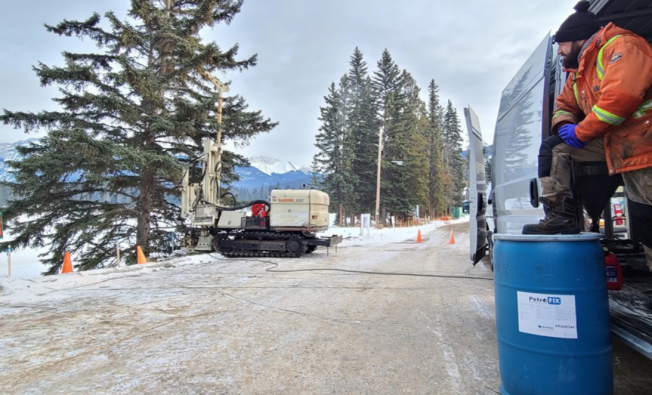
A legacy petroleum release in downtown Polson, Montana created an LNAPL plume with benzene and other dissolved contaminants migrating toward Flathead Lake. After reviewing remedial alternatives, WCEC selected a PetroFix permeable reactive barrier to quickly halt plume migration. Following installation, the threat of dissolved-phase contaminant migration into the lake was immediately mitigated, and benzene has remained non-detect for more than 3.5 years.

Contaminants treated

Gasoline, diesel, fuel oil, BTEX, MTBE, TPH, PAHs, naphthalene, fuel oxygenates, and other petroleum-related contaminants in soil and groundwater.

Application methods

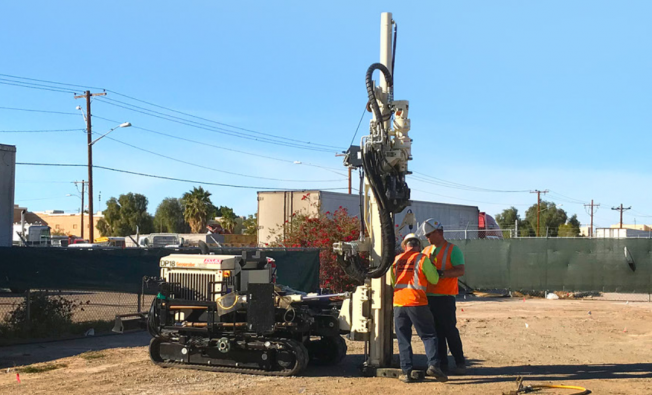
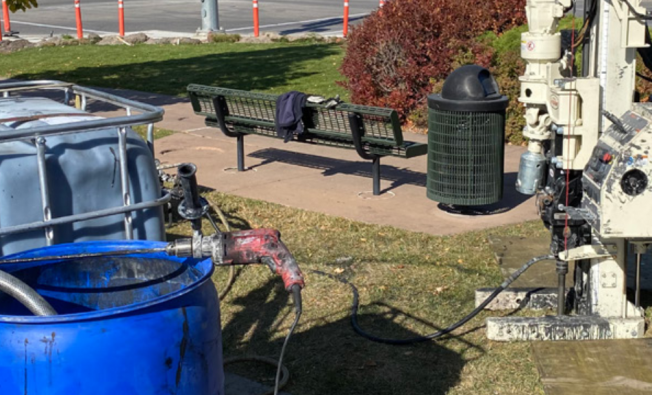
Treatment can be applied through direct injection into groundwater, targeted source-area treatment, excavation and backfill applications, or permeable reactive barriers. Amendments may also be placed in smear zones, capillary-fringe materials, and higher-flux migration pathways.

Advantages

In situ petroleum hydrocarbon remediation can reduce source mass, lower dissolved concentrations, enhance biodegradation, control plume migration, and minimize disruption at active facilities. These approaches can also reduce reliance on long-term pump-and-treat systems while supporting redevelopment and regulatory closure.
Our Technologies for In Situ Petroleum Hydrocarbon Remediation