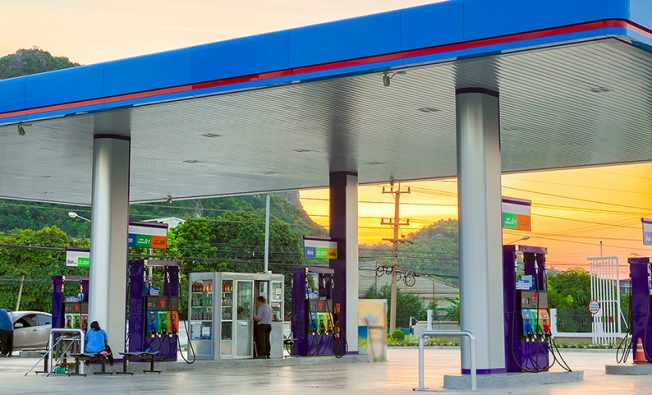
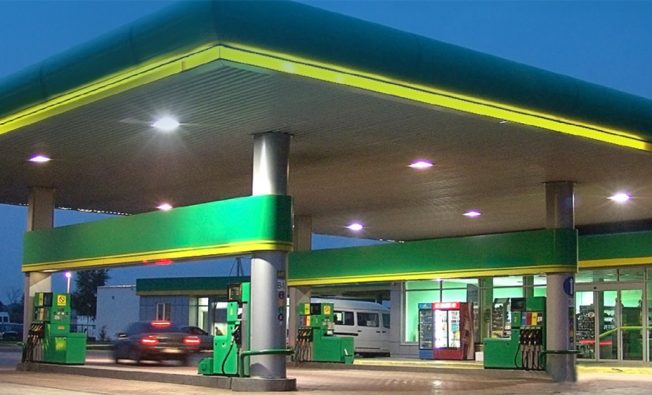
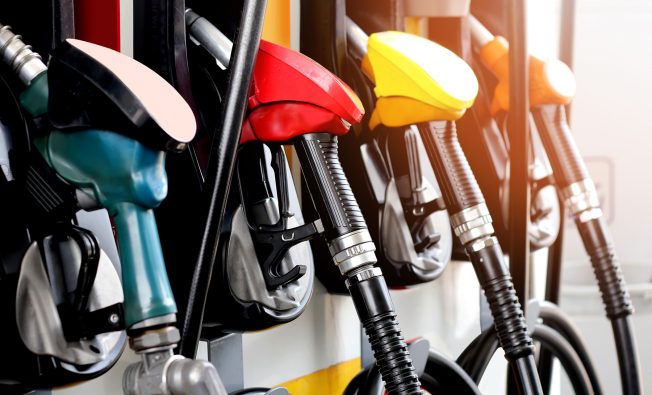
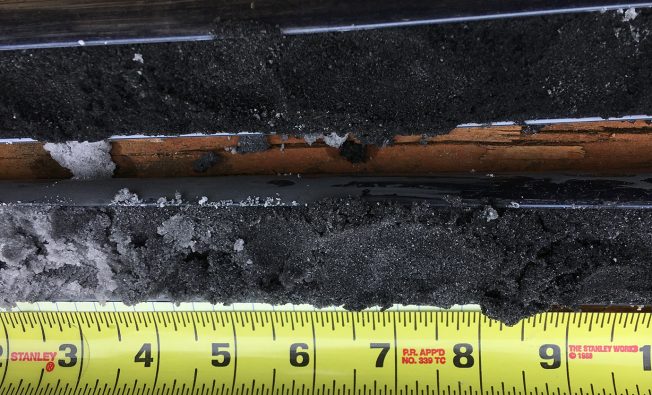
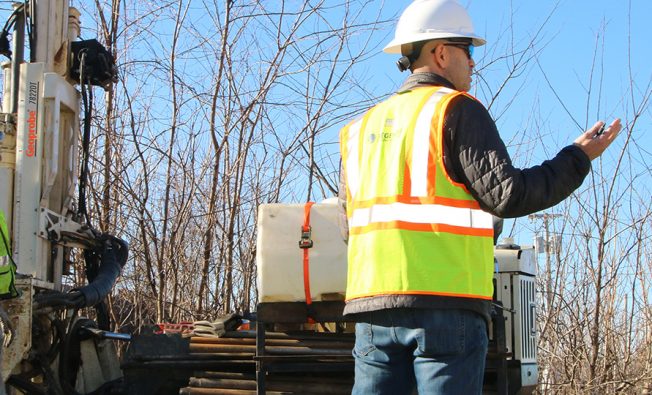
Proven solutions for gas stations, refineries, airports, and industrial sites impacted by gasoline, diesel, and other petroleum releases.
Cost-effective solutions to address petroleum contaminants
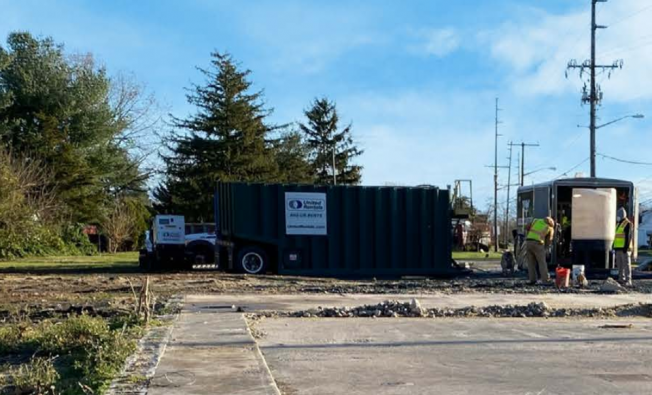
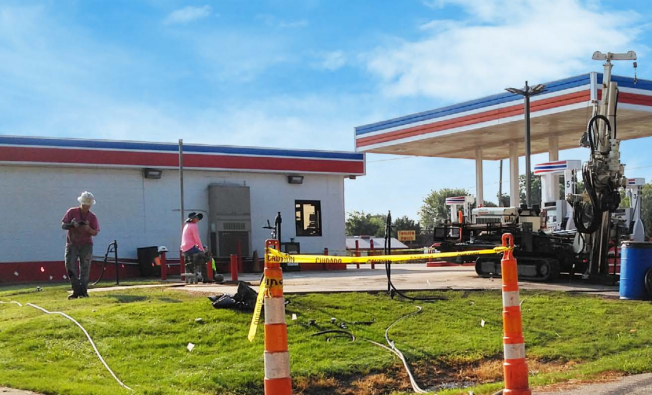
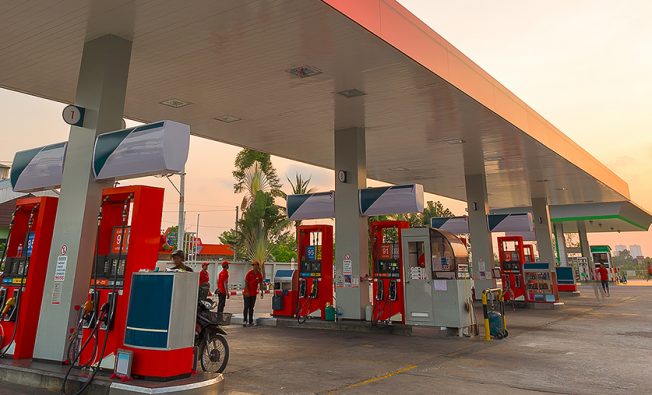
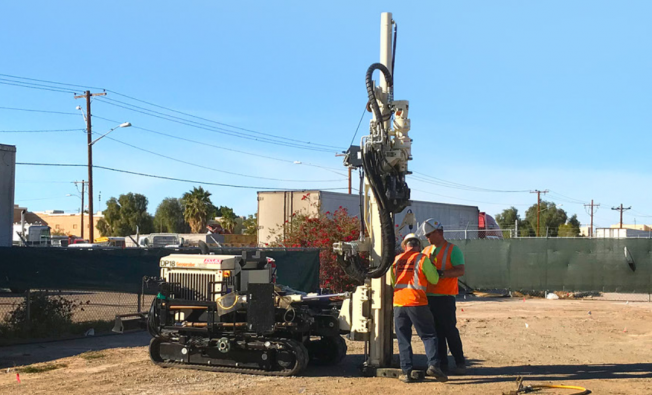
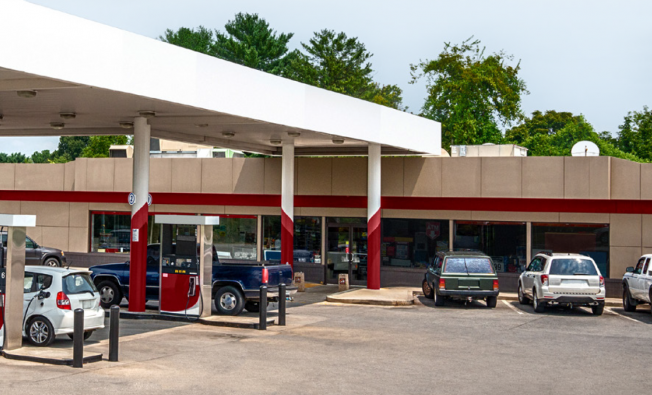
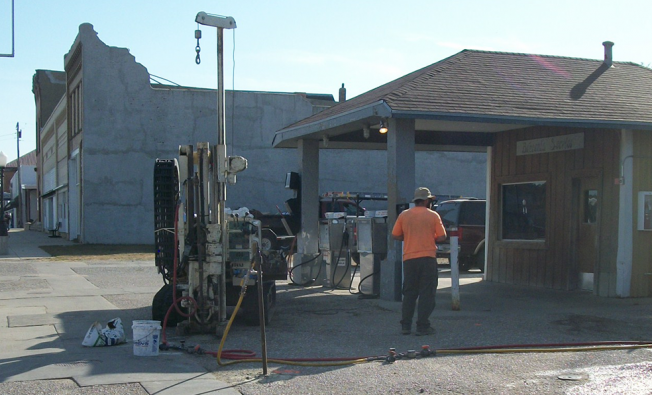
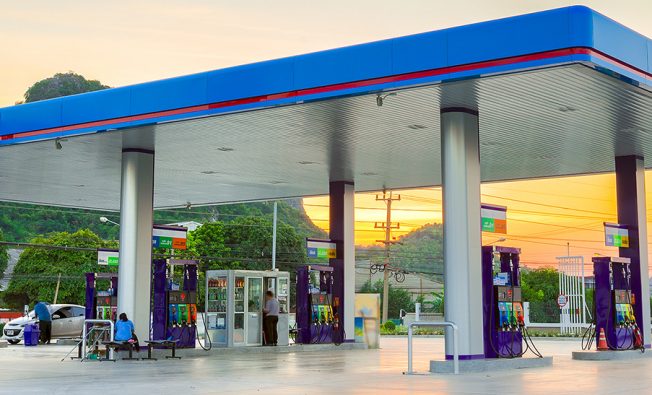
Leaks and spills from fuel storage and handling are among the most common sources of soil and groundwater contamination. With proven technologies designed for petroleum hydrocarbons, REGENESIS provides fast, low-disruption solutions that protect ongoing operations and achieve lasting site closure.
Technologies used for retail petroleum and service station remediation
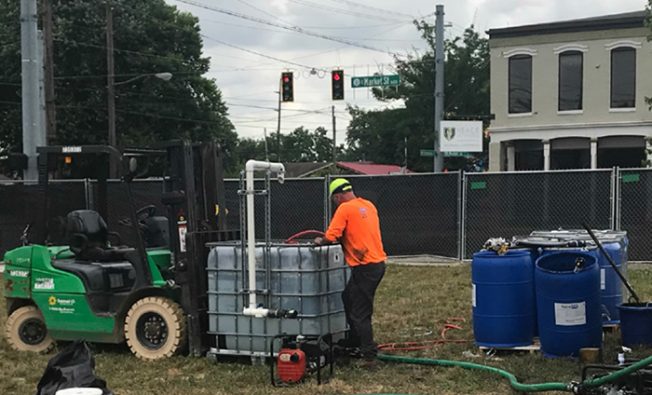
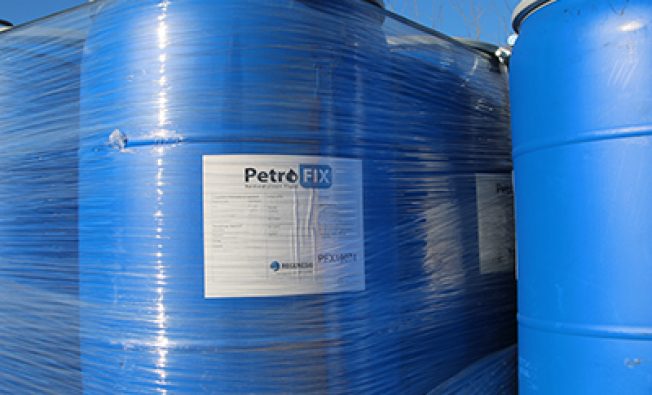
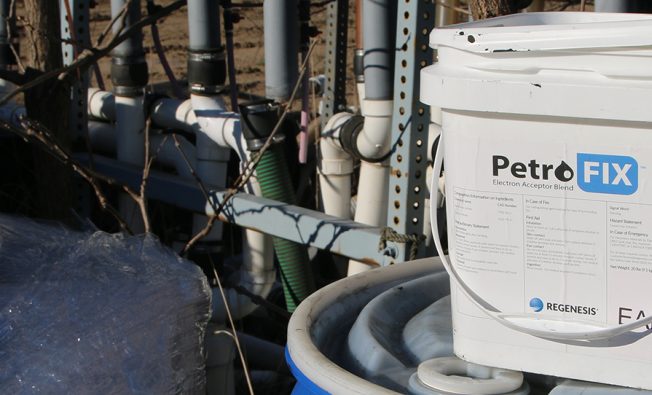
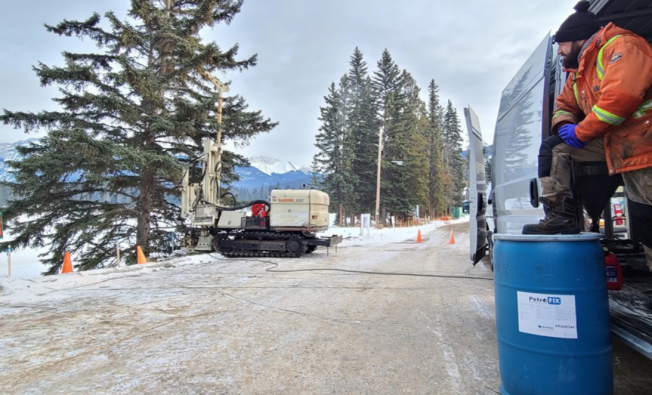
Regenesis provides a wide range of remedial technologies to effectively treat petroleum contamination at gas station, bulk storage, refinery, airport and industrial sites including PetroFix, PersulfOx, RegenOx, and ORC Advanced.
Solutions
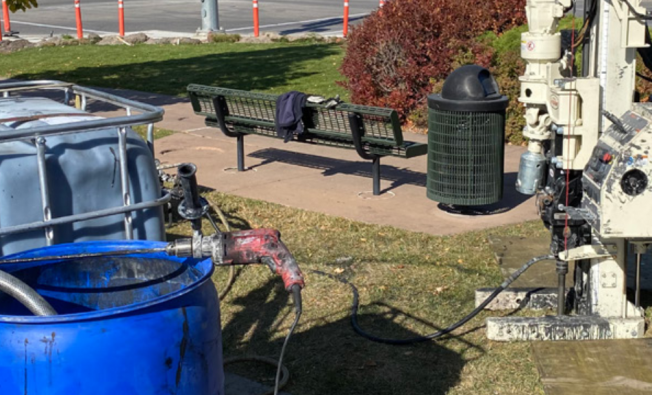
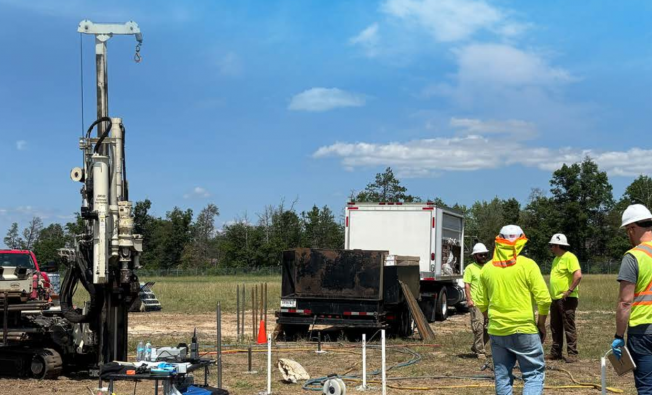
Remediating petroleum hydrocarbon impacts requires approaches tailored to the source and extent of contamination. At gasoline service stations and other fuel-impacted sites, REGENESIS employs proven in situ solutions such as:
Aerobic and anaerobic biodegradation using oxygen or electron donors
In situ chemical oxidation (ISCO) for rapid contaminant destruction
Plume cut-off barriers with colloidal activated carbon
Integrated strategies for mixed petroleum and chlorinated solvent plumes
These approaches are designed to restore groundwater quality efficiently, with minimal disruption to ongoing site operations.
We found an underground fuel oil tank, what do we do now?
The discovery of an underground fuel oil tank should initiate further investigation. A search for corresponding paperwork should be conducted to determine the history of the tank and its contents. If the tank is not in use, it should be removed and the surrounding soils and groundwater tested by a licensed environmental professional as leaving it in place will only serve as a future liability.
What are the steps for cleanup for an oil tank leak?
The steps for cleanup will depend on the extent of the leak and other site-specific conditions. In general, the tank should first be removed in compliance with local regulations and the American Petroleum Institute’s recommended practices. Based on sampling results, any impacted soil and groundwater can either be treated in place or removed.
What are the steps to remediate a tank leak?
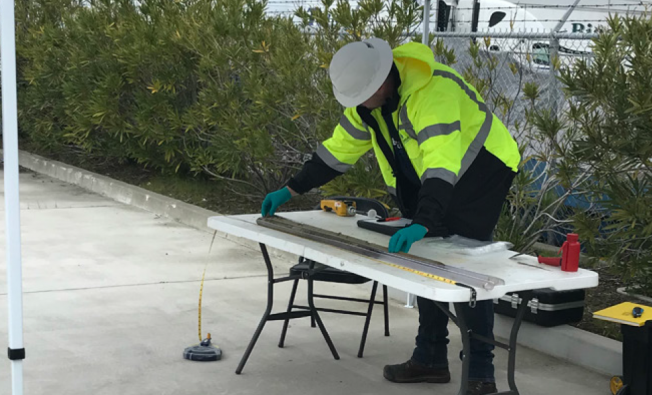
After the tank is removed, the extent of the environmental impact should be determined with an assessment of the surrounding soil and groundwater. Licensed environmental professionals should then be hired to develop, execute, and evaluate a remedial plan based on the budget, timeline, and site-specific conditions.