Why Target PFAS Source Zones?
Highlights of this technical bulletin How AFFF releases create persistent PFAS source zones in soil and groundwater. The role of the vadose zone, capillary fringe, and groundwater in PFAS transport…

Highlights of this technical bulletin How AFFF releases create persistent PFAS source zones in soil and groundwater. The role of the vadose zone, capillary fringe, and groundwater in PFAS transport…

PFAS Monitored Attenuation The article “PFAS Monitored Retention: A Framework for Managing PFAS-Contaminated Groundwater Sites” by Charles Newell et al. outlines PFAS Monitored Retention (PMR) as an evolution of traditional…
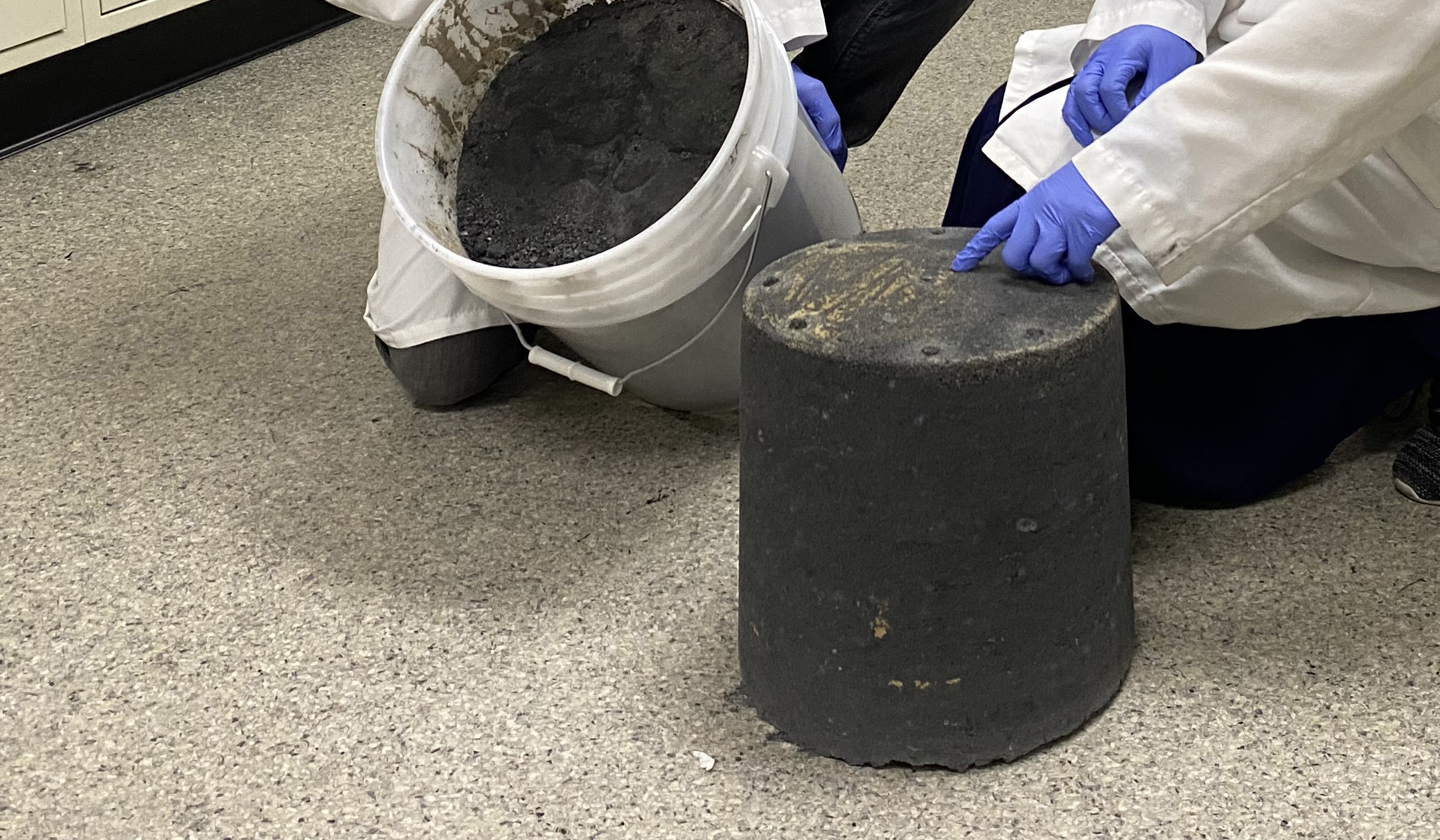
Learn how in situ soil stabilization reduces PFAS migration. Discover how immobilizing PFAS in source zone soils can minimize contaminant transport to groundwater and surface water. Review performance data from…

A research team, with funding from the Department of Defense (DoD)1, developed a planning-level instrument for rapid estimation of the longevity of colloidal activated carbon (CAC) barriers.2 It provides a low-resolution,…

Research Article highlights: Significantly lower carbon footprint: The in situ CAC barrier emitted 98% fewer greenhouse gases over 15 years compared to the ex situ pump-and-treat system (56 vs. 3922 metric tons CO₂-eq).…
PFAS Guide highlights: Expert insights from leading environmental professionals on how to investigate, manage, and remediate PFAS risks in soil and groundwater. Explore in situ and off-site soil treatment strategies in the…

A research team, with funding from the Department of Defense (DoD)1, developed a planning-level instrument for rapid estimation of the longevity of colloidal activated carbon (CAC) barriers.2 It provides a low-resolution,…