Soil and groundwater remediation for the Department of Defense

Proven experience in complex government and DoD sites, which ensures safe and effective solutions

7 Steps to Accelerate PFAS Base Cleanup Through Interim Remedial Actions

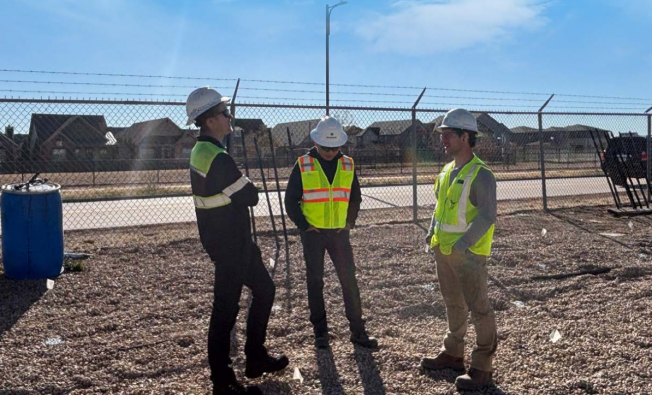
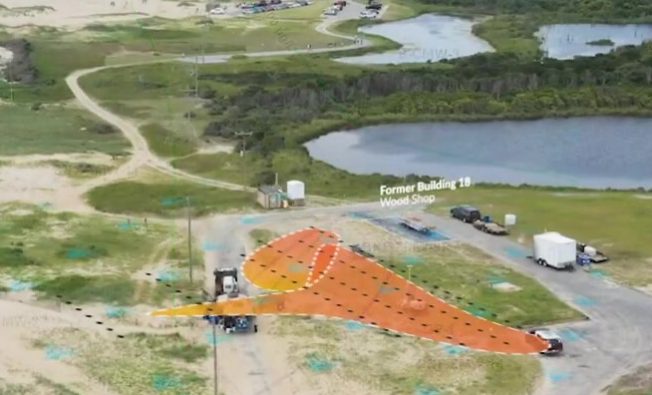
This e-book outlines seven key steps that support accelerated DOD PFAS cleanup, demonstrating how Interim Actions such as those completed at Former Naval Air Station Alameda and Camp Grayling Joint Maneuver Training Center can reduce risk, satisfy congressional mandates, and build public trust. PlumeStop® and SourceStop®— in situ remedial technologies developed by REGENESIS – that are engineered specifically for this challenge. These field-ready technologies provide highly effective, resilient solutions which can be deployed as interim remedial actions to immediately stabilize PFAS in groundwater, protect receptors, and generate performance data to support full-scale remediation.

PFAS effectively remediated at former Naval air station Alameda

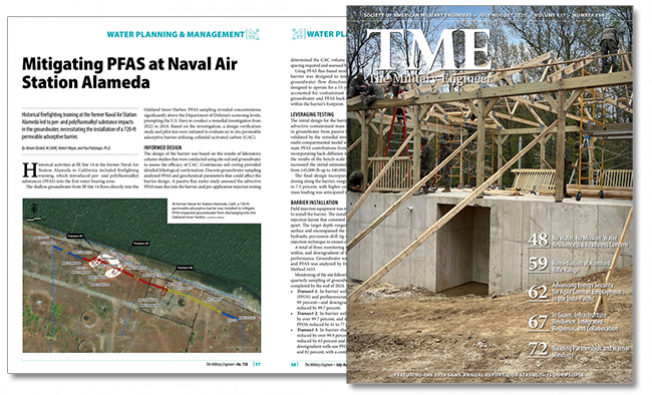
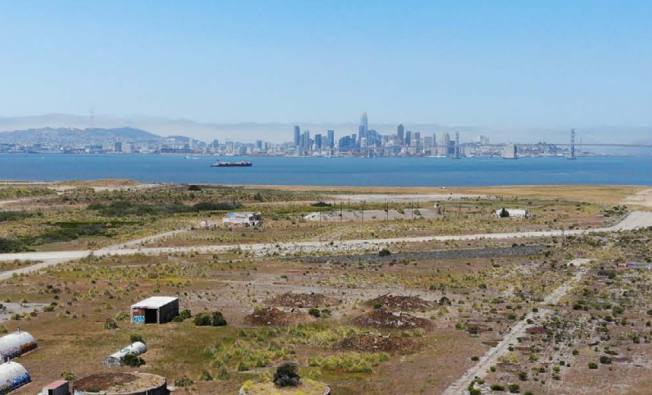
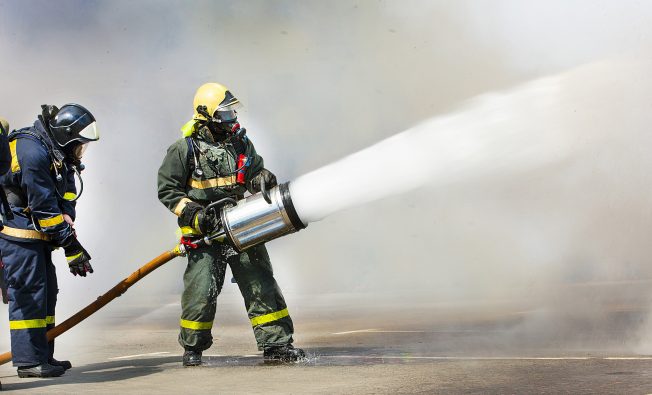
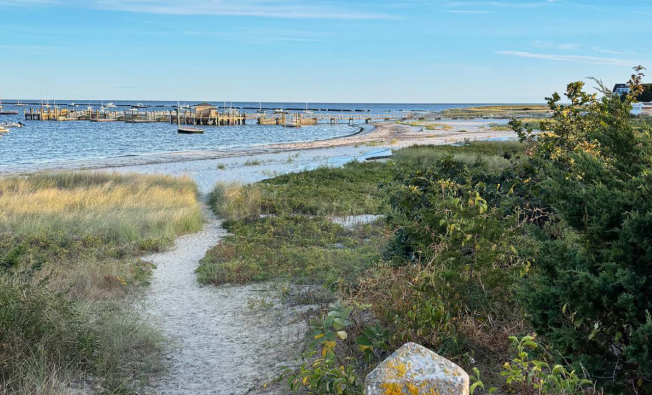
Historical firefighting activities at the former Naval Air Station (NAS) Alameda resulted in high PFAS (per- and polyfluoroalkyl substances) concentrations in the groundwater, threatening the Oakland Inner Harbor. In response, the project team, comprising Bayside Engineering, Construction, Inc. (Bayside), APTIM Federal Services (APTIM), and REGENESIS®, collaboratively implemented a 720-foot in situ permeable reactive barrier (PRB) using PlumeStop® colloidal activated carbon (CAC) technology. This innovative approach created an adsorptive barrier within the polluted aquifer, effectively capturing PFAS and preventing their migration. After one year, the target PFAS compounds were reduced by more than 99% in the treatment zone with significant decreases in the downgradient wells.

What are you interested in remediating?

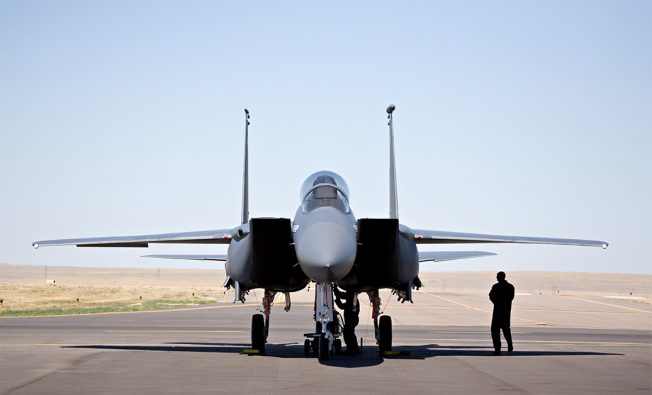
PFAS treatment for DoD

With increased frequency, environmental remediation officers are turning to REGENESIS for preemptive remedial solutions to mitigate PFAS before they form extensive groundwater plumes with the potential to impact downstream receptors. REGENESIS offers the most advanced technologies to remove PFAS (i.e., Per-and polyfluoroalkyl substances) in groundwater and prevent downstream PFAS exposure risk.

Chlorinated Solvent Treatment for DoD

With increased frequency, Defense Environmental Restoration Program Managers are turning to REGENESIS for preemptive remedial solutions to mitigate Chlorinated Solvents before they form extensive groundwater plumes with the potential to impact downstream receptors. REGENESIS offers the most advanced technologies to remove Chlorinated Solvents and prevent exposure risk.

Petroleum Hydrocarbon Treatment for DoD

With increased frequency, Base Environmental Managers are turning to REGENESIS for preemptive remedial solutions to mitigate Petroleum Hydrocarbons before they form extensive groundwater plumes with the potential to impact downstream receptors. REGENESIS offers the most advanced technologies to degrade Petroleum Hydrocarbons contaminants.

Resources

Full range of capabilities ready to deploy

  • Understanding of the requirements and processes
  • Effectively partner with and support leading E&C firms
  • Contributing to the restoration of some of our environment’s most sensitive and natural resources
  • Reaching treatment goals and regulatory guidelines
Support
  • Underground storage tanks (USTs)
  • Spill areas
  • Landfills
  • Surface disposal areas
Site types
  • Volatile organic compounds (VOCs)
  • Semi-volatile organic compounds (SVOCs)
  • Petroleum products
  • Chlorinated solvents
  • Heavy metals
  • Polychlorinated biphenyls
  • Fuels
  • Explosives
  • Inorganic compounds (Asbestos, Arsenic, Corrosives, Pesticides, Herbicides)
Contaminants

Do you have a project
you'd like to discuss?

Contact us to explore solutions and options.

FAQs about Department of Defense sites

What are the particular risks at a DoD site?

Sites formerly occupied by the DoD often have soil and groundwater impacts related to military activities such as fuel dispensing, transport and storage, vehicle/aircraft maintenance, munitions use, landfilling, and the tactical use of herbicides and pesticides. Contaminants commonly found on DoD sites include volatile organic compounds (VOCs), metals, fuels, explosives, and inorganic compounds such as asbestos, arsenic, pesticides, and herbicides. These compounds pose a risk to both human health and the surrounding environment.

As with the discovery of any environmental impact, the first step should be to immediately address any risk to human health or sensitive ecological site receptors. Once any immediate threats are mitigated, a longer-term remedial plan can be developed in compliance with federal, state, and local requirements. These plans should be developed in partnership with the U.S. Environmental Protection Agency, as well as state and local regulatory bodies. Communication with the local community should also be considered, with the encouragement of public comment as necessary.
While most environmental contamination can pose health hazards due to toxicity, the types of contaminant found on DoD sites can pose additional risks. For example, military munitions and explosives of concern (MEC) are unexploded ordnance (UXO) and other hazardous munitions materials left behind after live-fire training or testing, open burning and detonation, and burial could cause physical harm if dealt with irresponsibly. Besides the obvious danger of explosions, there can also be deleterious effects from exposure to chemical warfare agents or other hazardous substances in the munitions.